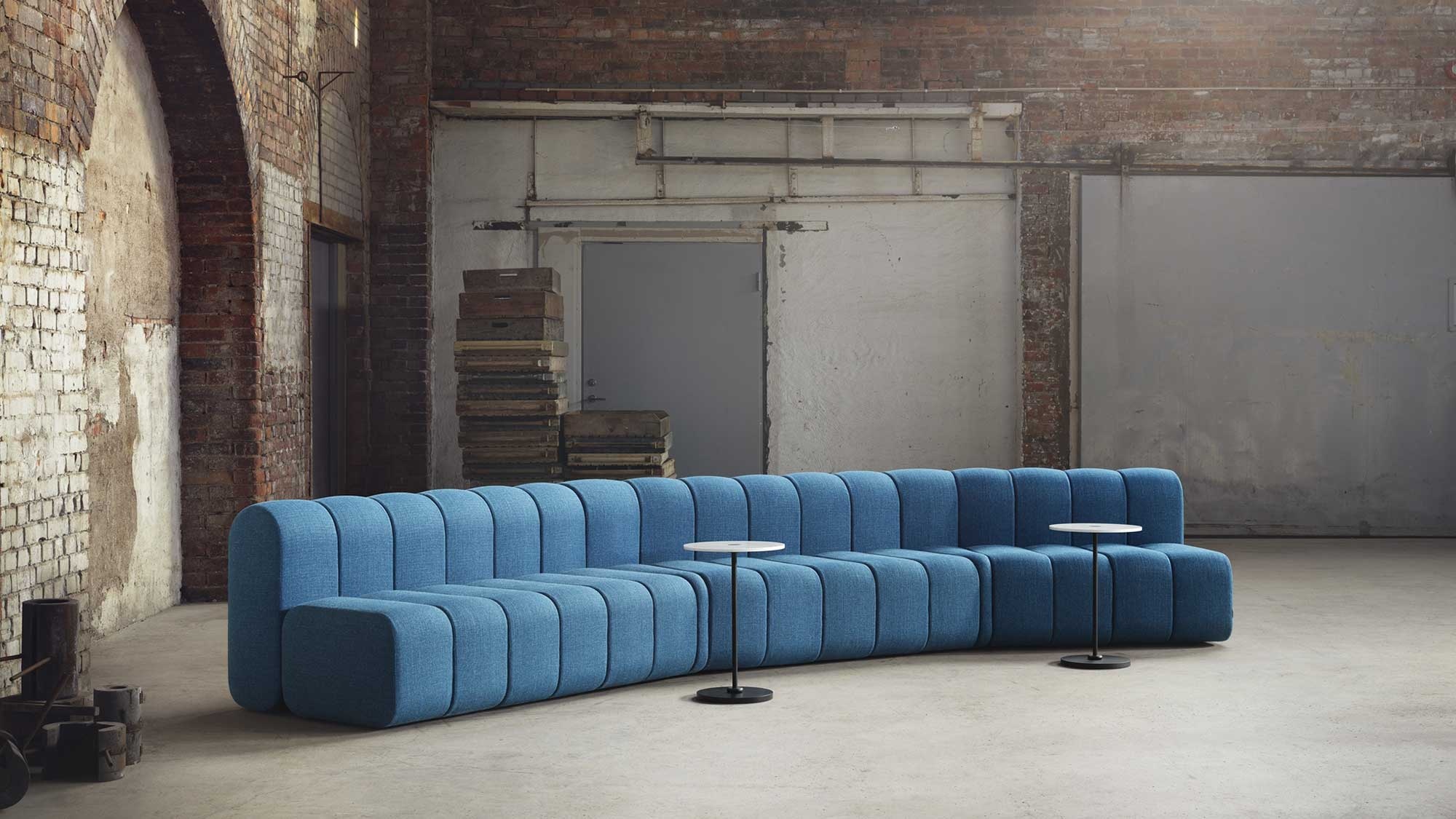


BOB
The initial brief was clear and straightforward, but the ambition was to go further. For us, design is not only about answering a brief, but about questioning it and adding something unexpected.
A key part of the process is understanding both what is asked for and what is not. This is combined with a continuous analysis of the market. What already exists, what is missing, and what can be added?
Developed between two studios, the project grew through ongoing dialogue, shifting between overall ideas and detailed decisions. Early in the process, one question became central:
Can we make a sofa by the metre, and if so, how?


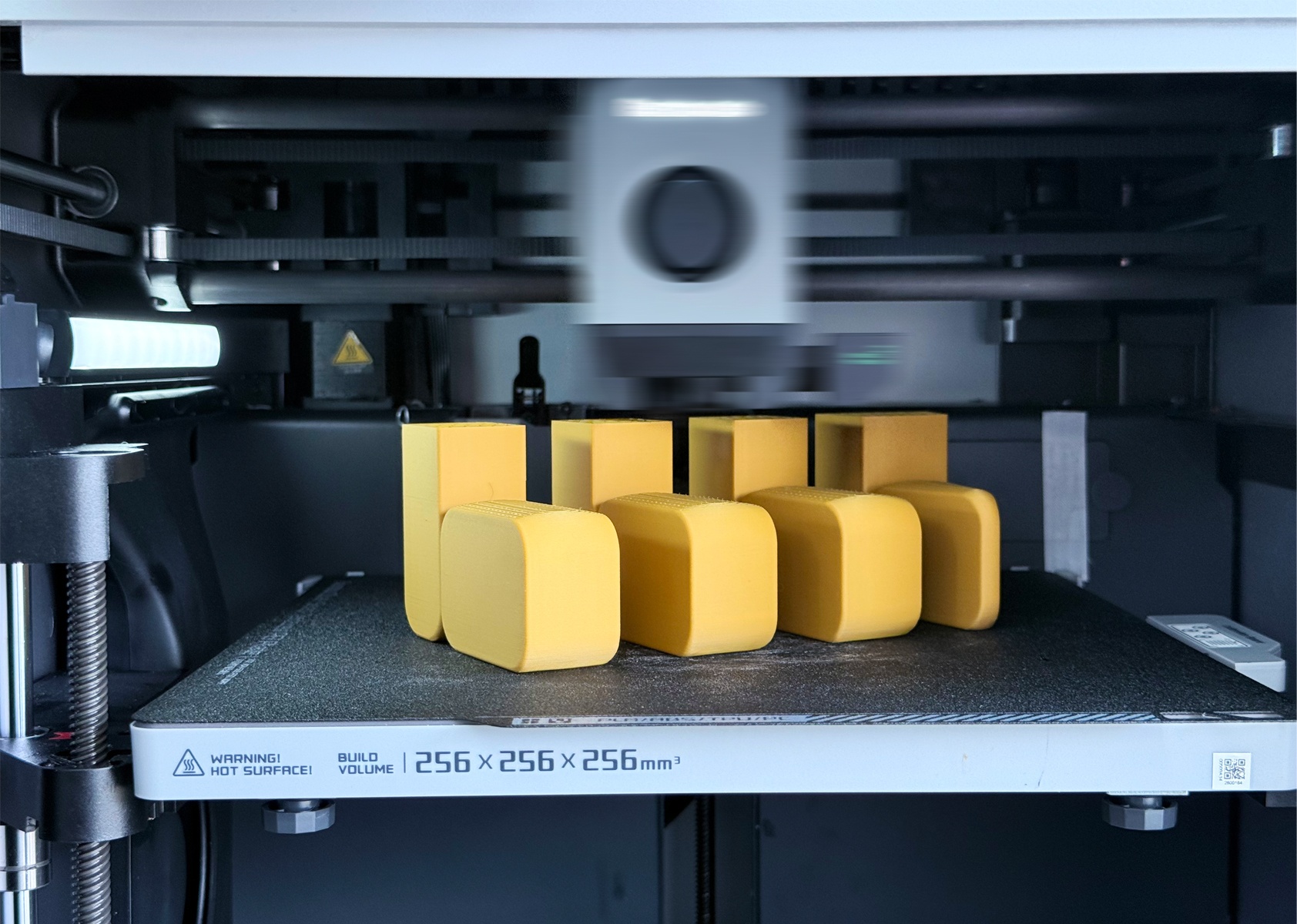

Instead of working with large units, the project moved in the opposite direction. The sofa was broken down into smaller elements. This reduced material waste, simplified production and handling, and made transport, storage and maintenance more efficient.
With the system defined, the focus shifted to form. Rather than concealing the modular structure, the individual elements were made visible and became the defining character of the sofa.
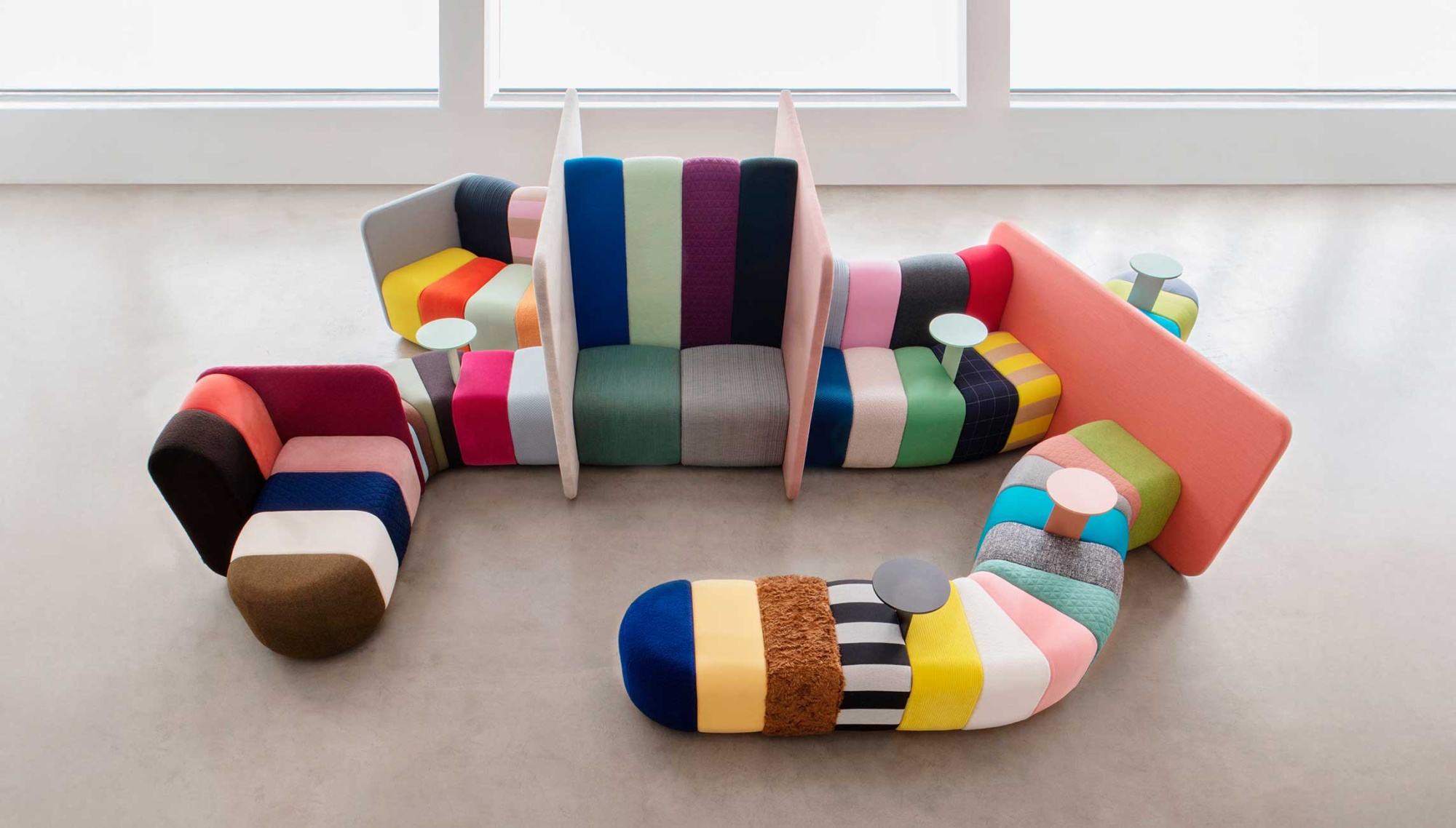
BOB was developed as a tool for architects. A system that allows seating to be shaped freely, from small chairs to large, continuous formations. The modular structure makes it possible to adapt the furniture to different spaces, uses and contexts over time.


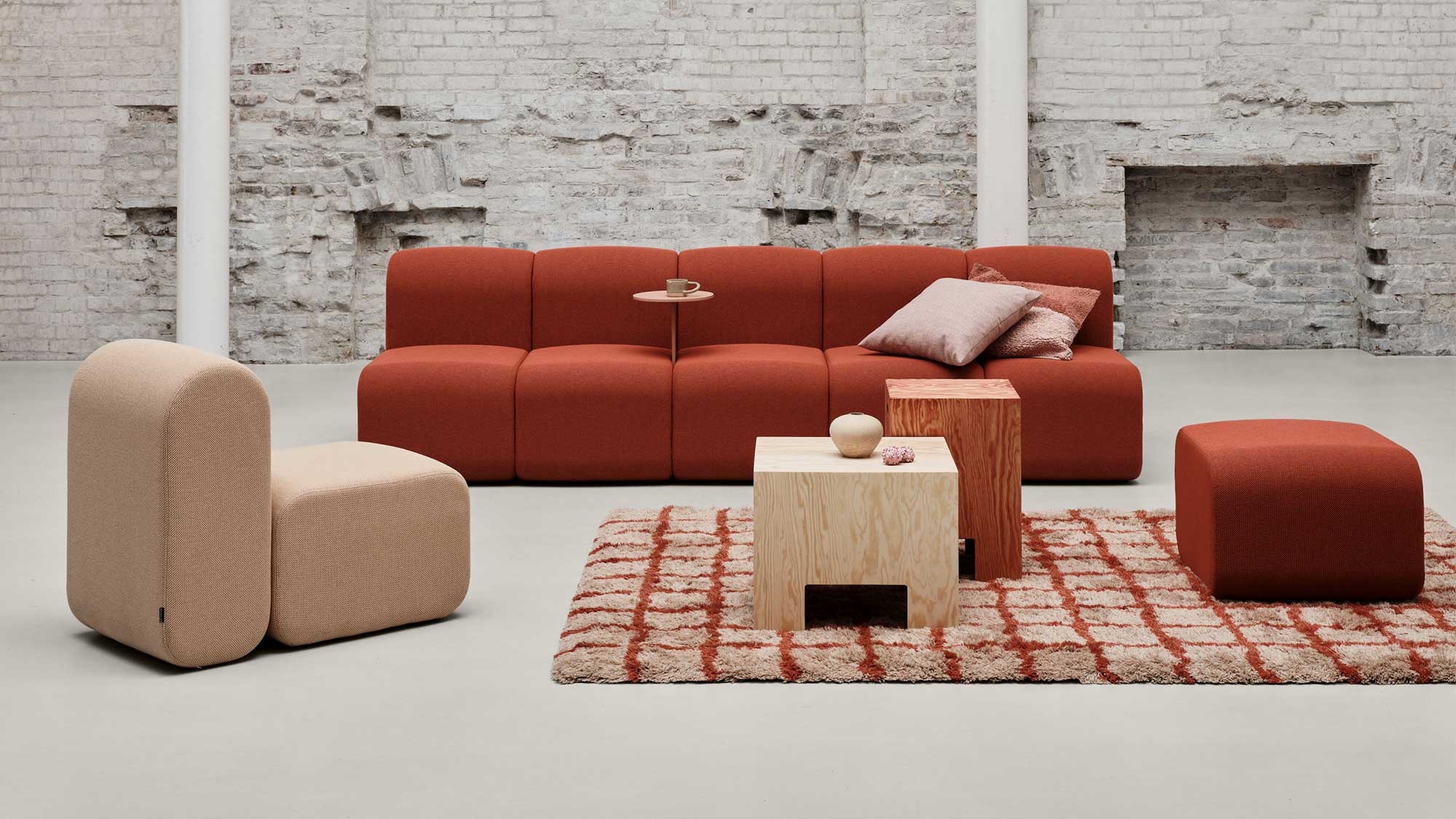


BOB was originally developed from five elements that could be combined into a wide range of configurations. Over time, the system has expanded and evolved, introducing new functions and possibilities.
Today, the system includes a wide range of components such as tables, screens, higher backs, curves, shelves, planters, work surfaces, lighting, deeper seats and additional modules.
The system allows spaces to be shaped and reshaped over time — from individual pieces to larger, continuous structures — adapting to changing needs and uses.


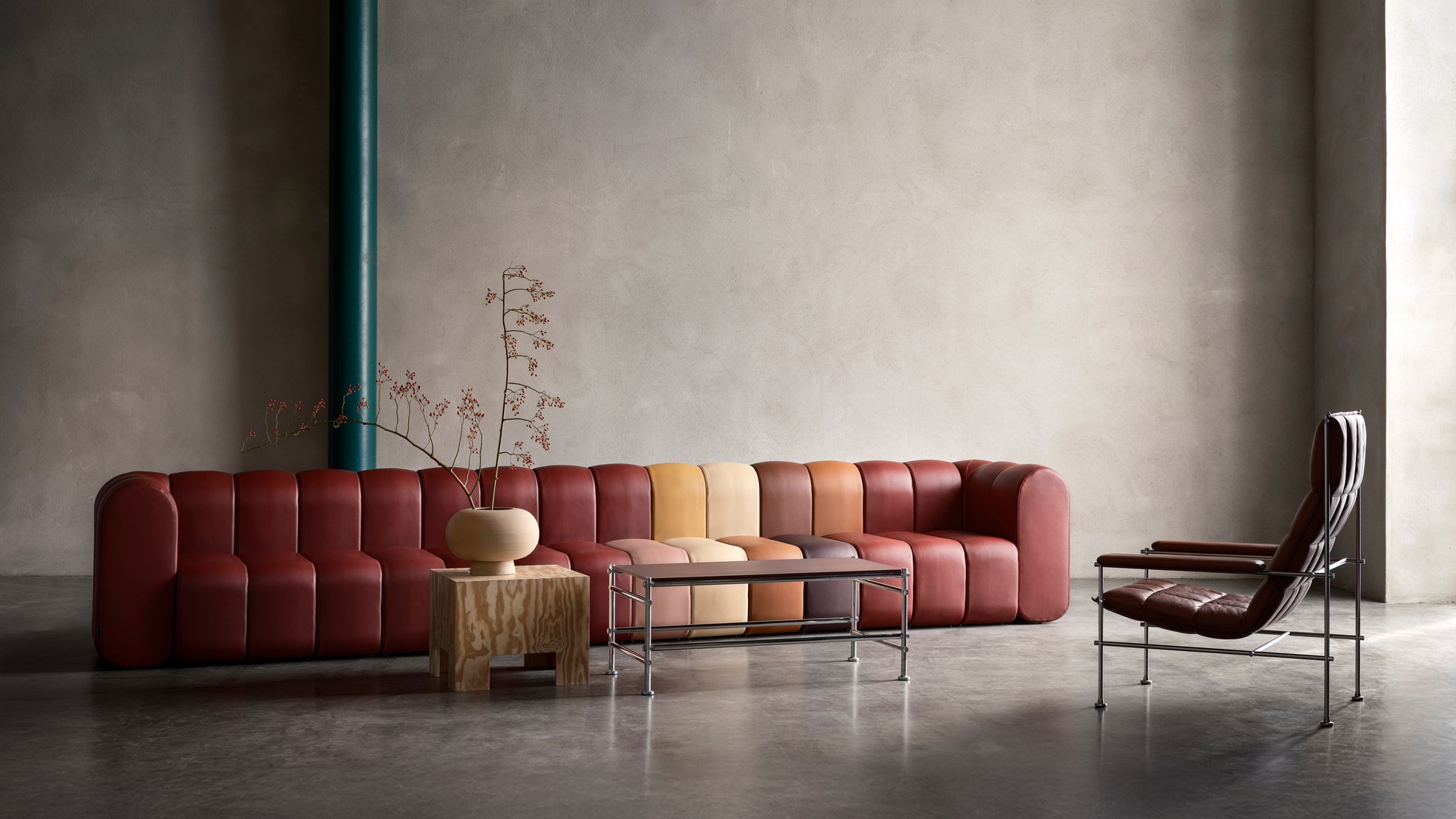


BOB Concrete
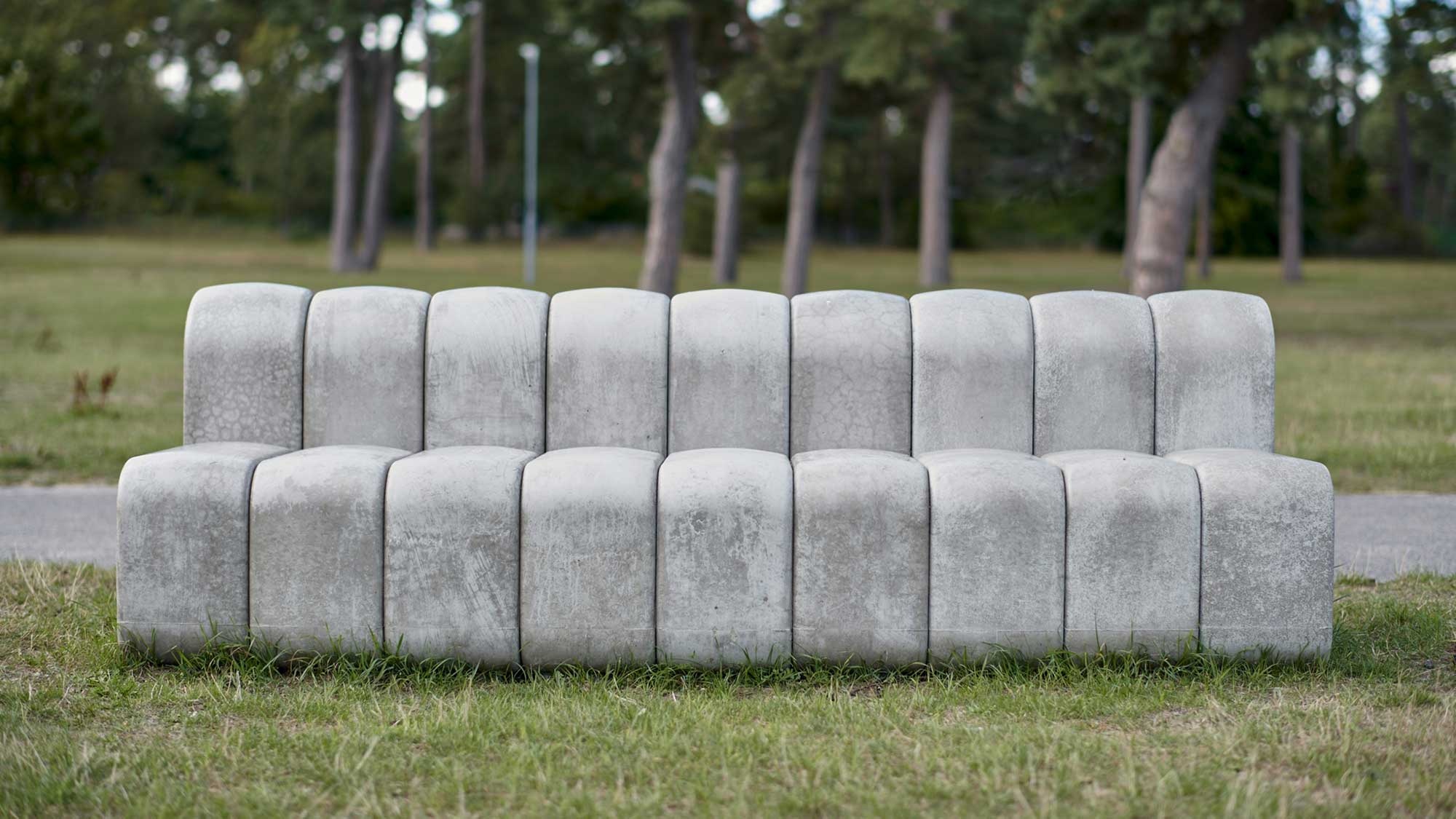
BOB Concrete was developed as an extension of the system, translating the same modular logic into public space.
The idea emerged from a need to rethink how protective elements are integrated into the city. In many cases, large concrete barriers are introduced as purely functional objects, often with little consideration for how they affect the surrounding environment.
Instead of adding temporary obstacles, the intention was to create something that could both define space and offer places to sit.
Using the same system, BOB Concrete makes it possible to organise parks, streets and squares in a flexible and continuous way, while contributing to a more considered and durable urban environment.


BOB has received several international awards, including the German Design Award, Interior Design Best of Year, NYCxDesign Awards and the Archiproducts Design Award.
Since its launch, BOB has become a widely used system in public environments and workplaces. Its modular logic has influenced the market, with many subsequent interpretations and imitations.
Project start : 2016
Launch year: 2017
Design: Stefan Borselius & Thomas Bernstrand
Manufacturer: Blå Station