
OPPO
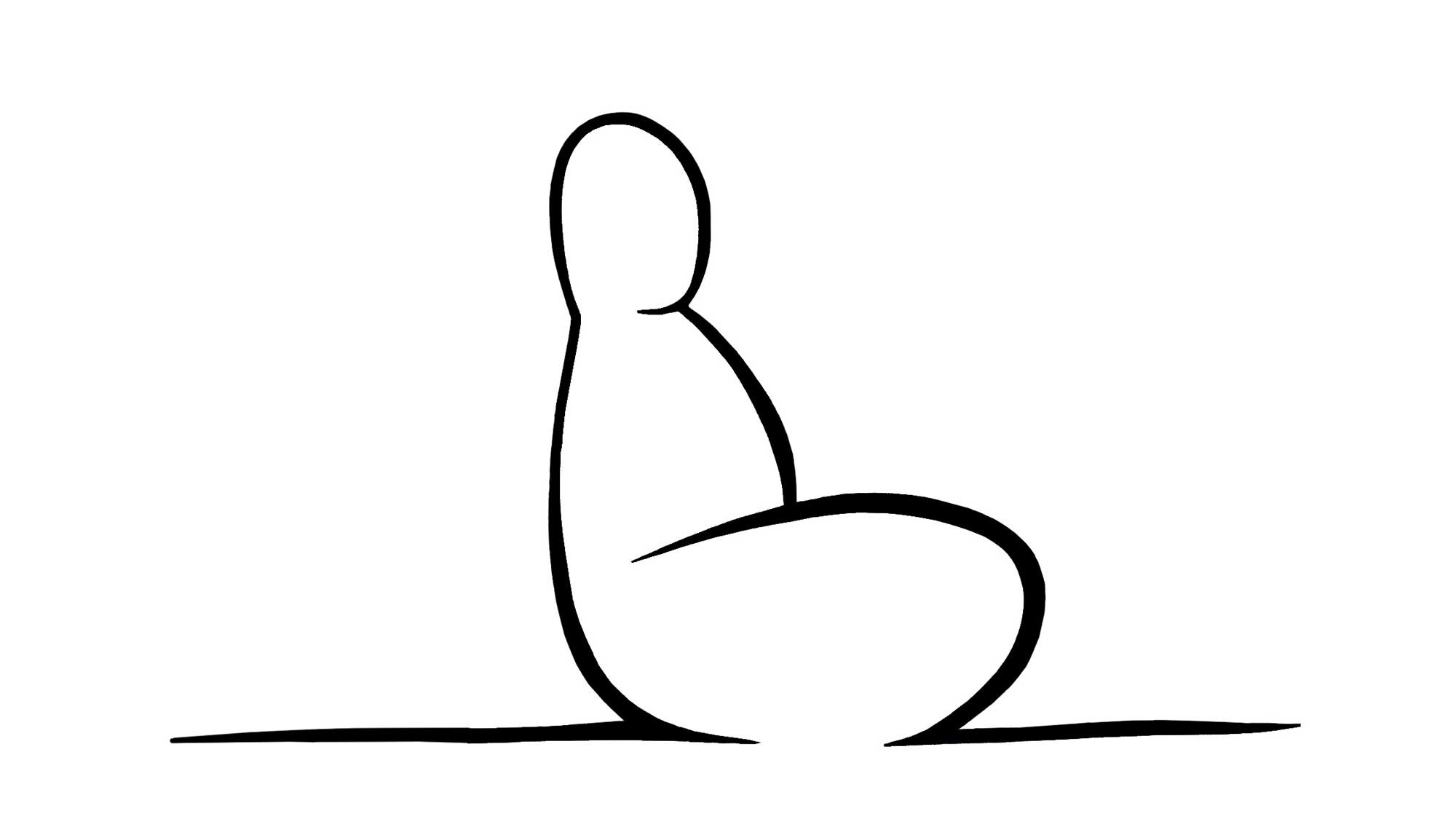
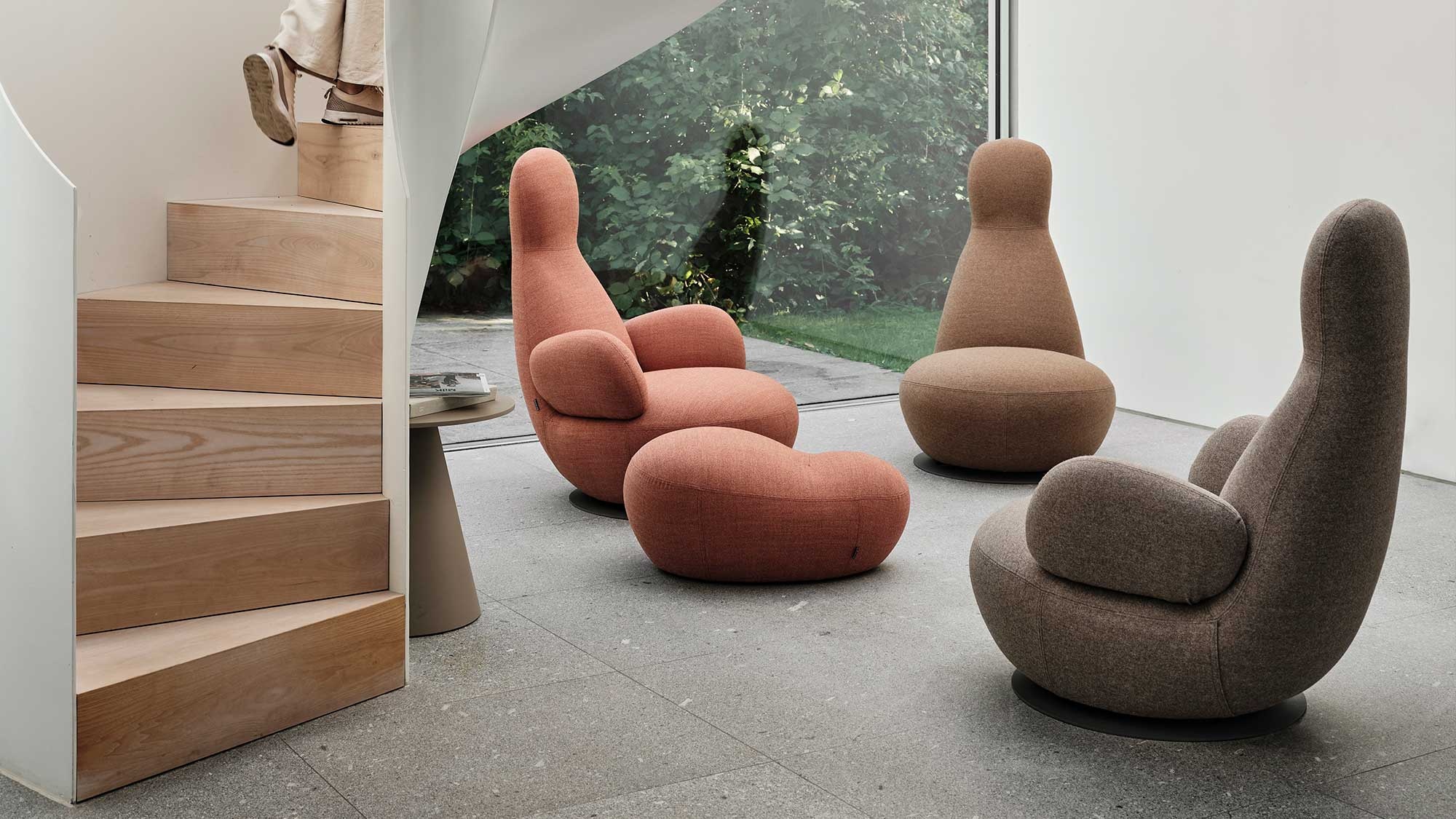
OPPO began as a study of how a single object can influence a space. The intention was to create a chair that could act as a presence in a room, not only when in use, but also when standing alone.
Rather than working with strict or architectural lines, I explored a more continuous and volumetric form. The aim was to introduce something that could soften interiors dominated by horizontal and vertical structures.
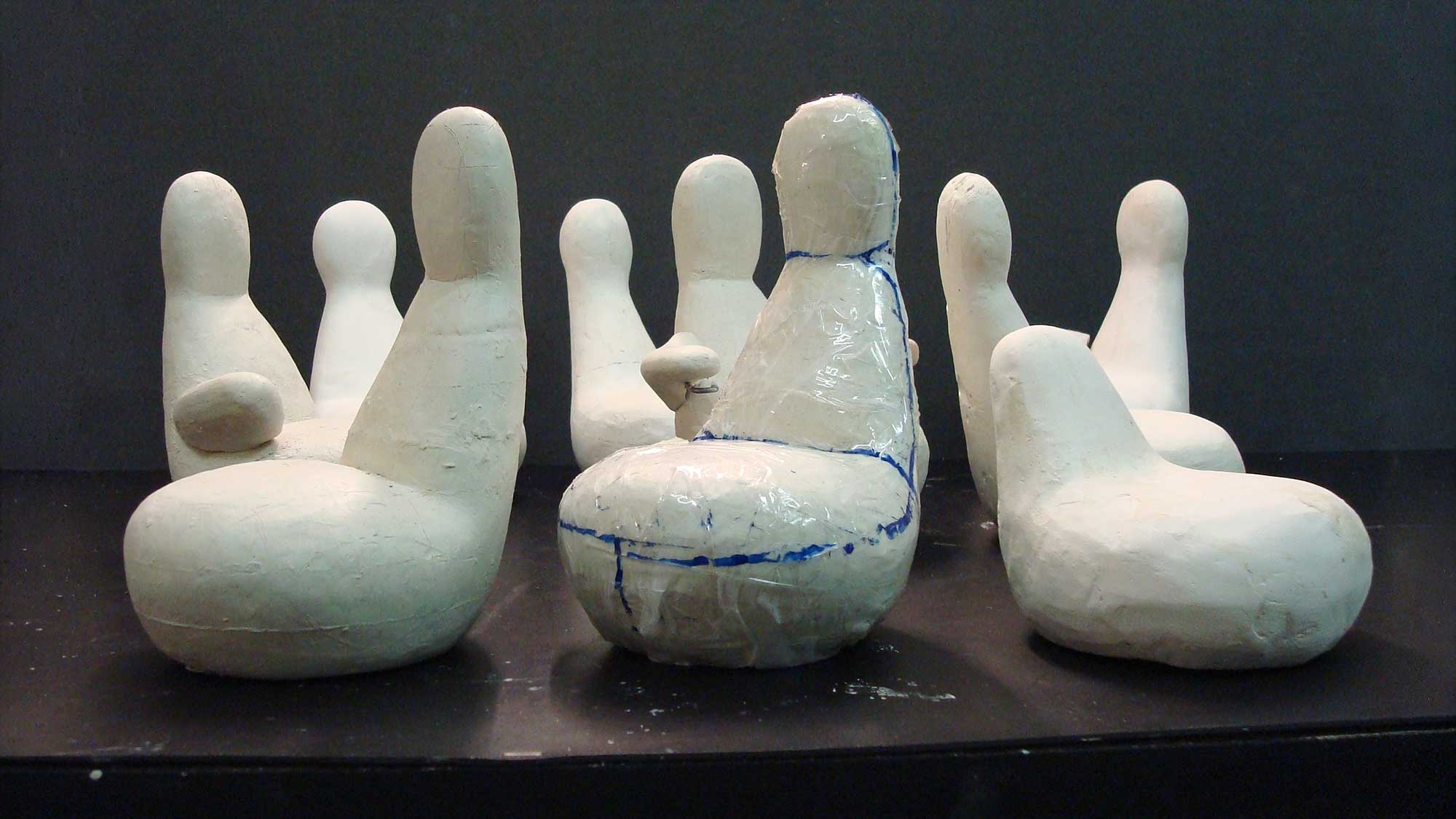
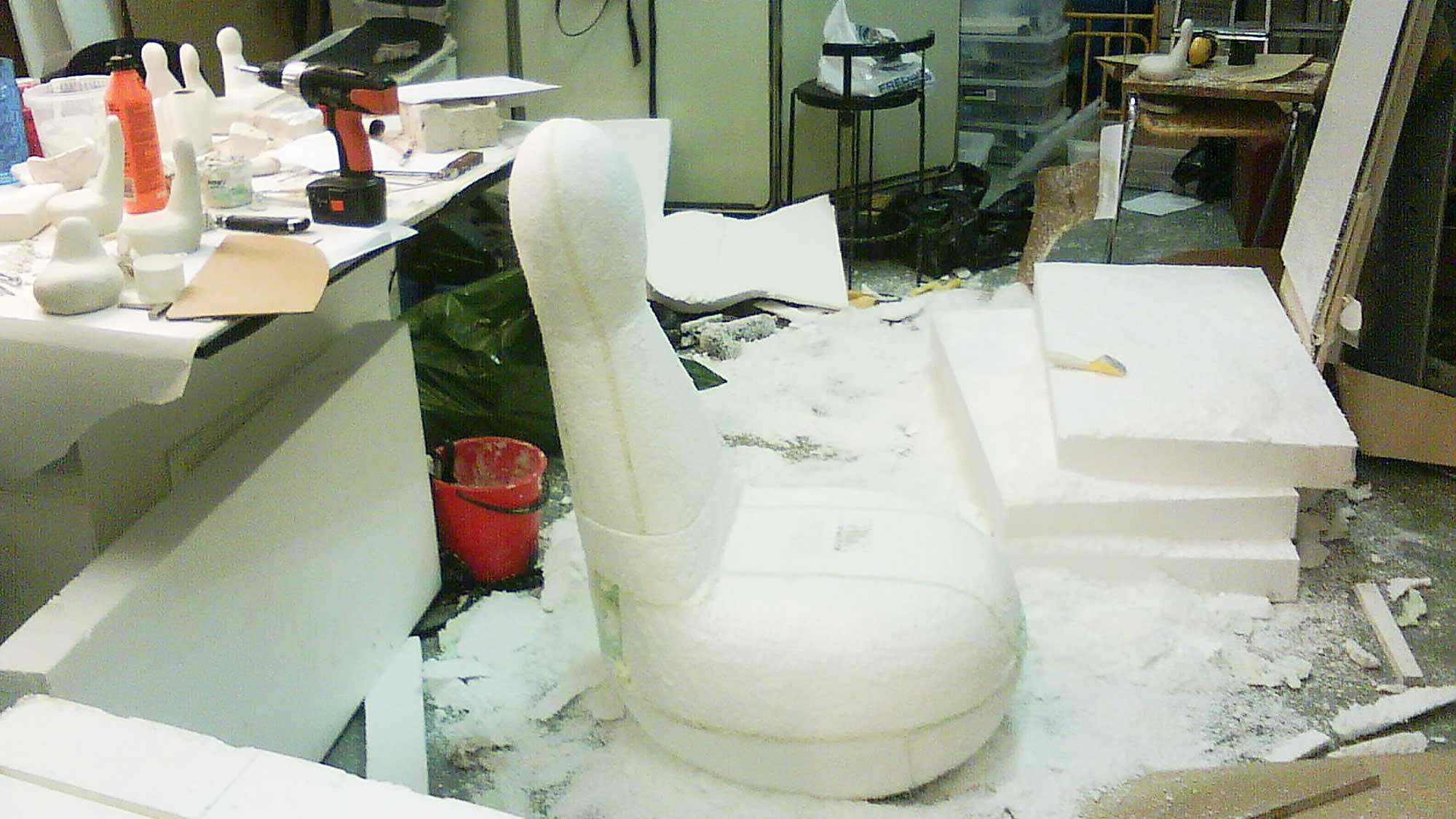
The development moved between sketches, scale models and full-scale prototypes. I worked with clay to shape the initial volumes, followed by larger models in foam and soft materials to test proportions and comfort. Once the form was established, I scanned the model and continued the development digitally, refining the geometry and constructing the internal structure.




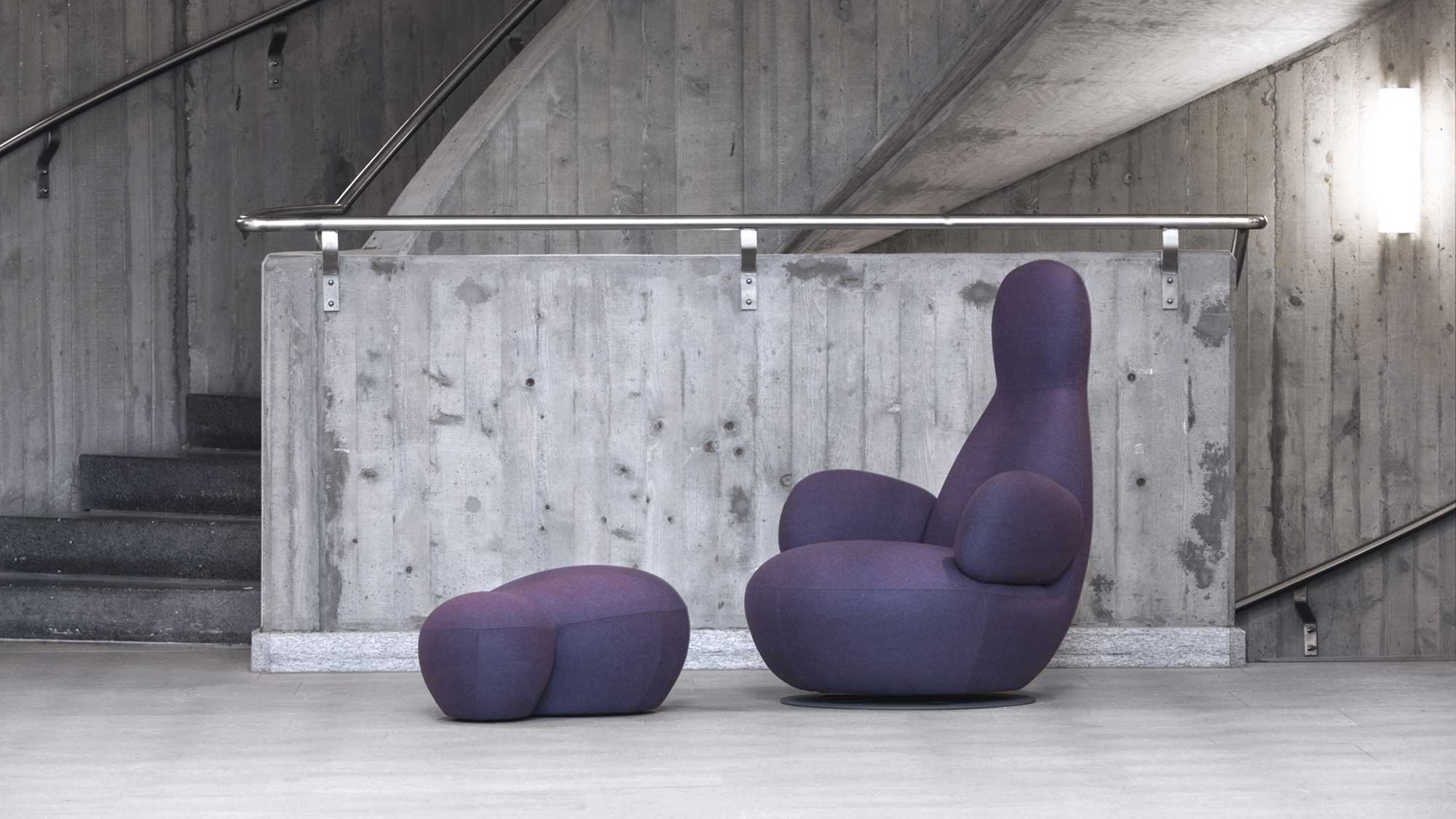
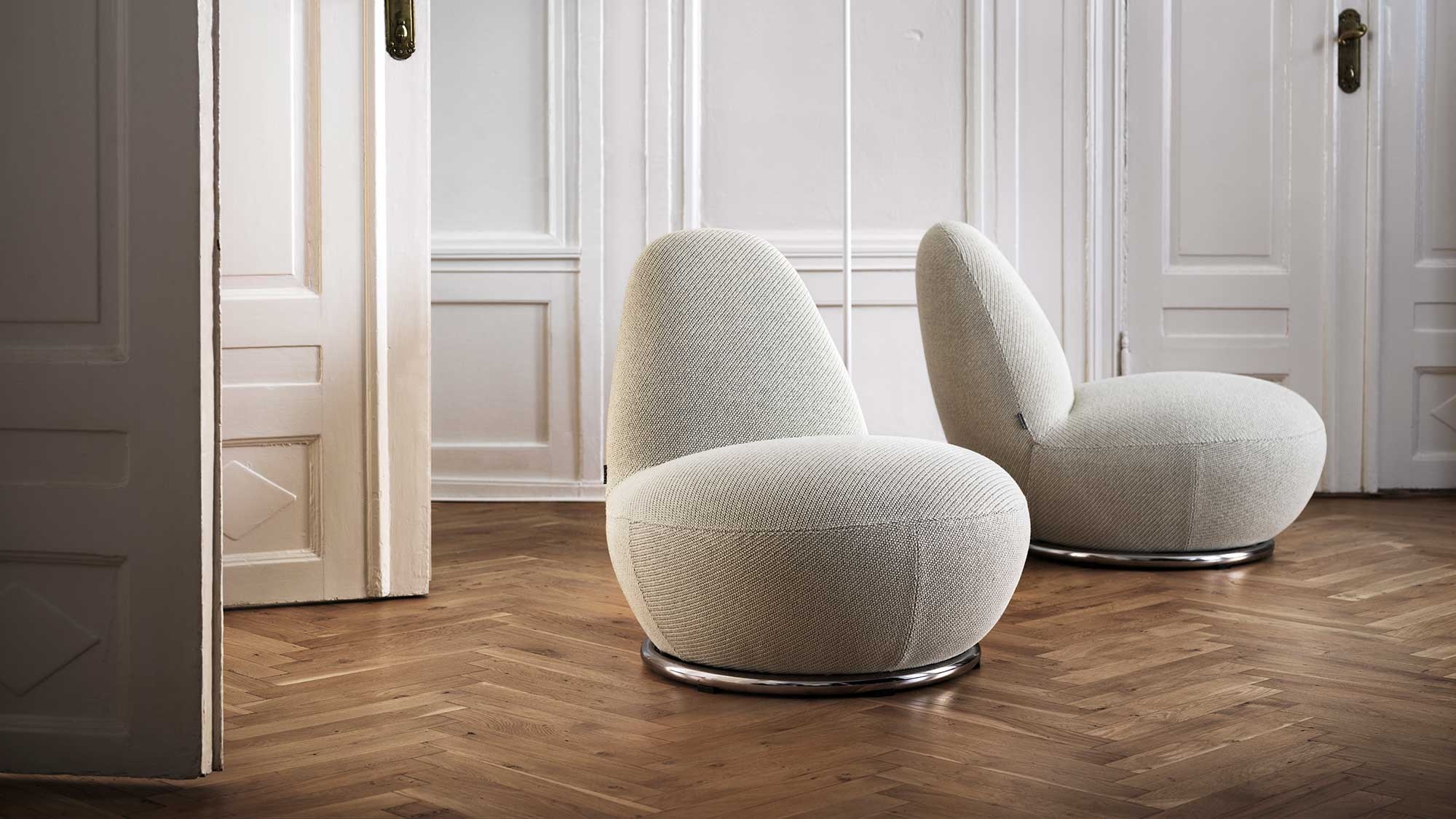
The final form is built as a continuous volume. Both the seat and the back are convex, which is unusual, particularly in the backrest. This pushes the shoulders slightly forward, creating a more active and supported sitting position while defining the character of the chair.
The construction combines a metal frame with nozag springs and moulded cold-cure foam. The result is a compact but comfortable chair, designed for use in public environments while also fitting into more informal settings.
OPPO can be used individually or in groups, where the form creates a sense of interaction between the pieces. Even when empty, it contributes to the atmosphere of the room.




OPPOCEMENT
The idea of OPPO was first explored through physical modelling, shaping the form by hand in clay. Early in the process came the question of how this volume could exist beyond interior spaces.
OPPOCEMENT translates the same form into concrete, allowing it to move into public environments. The soft, continuous geometry remains, while the material shifts the scale and permanence of the object.
As a solid piece, it can define space in parks, streets and gardens, functioning both as seating and as a sculptural presence.


OPPO - Scale
The form of Oppo has also been explored at smaller scales.
Mini-Oppo translates the chair into a compact object, retaining the same proportions and character. It can function as a standalone piece, a bookend or a small sculptural element.
At the smallest scale, OPPO becomes a USB memory stick. The same form is reduced to a handheld object, shifting from furniture to something more personal.

Project start : 2008
Launch year: 2009
Design: Stefan Borselius
Manufacturer: Blå Station