
WILMER
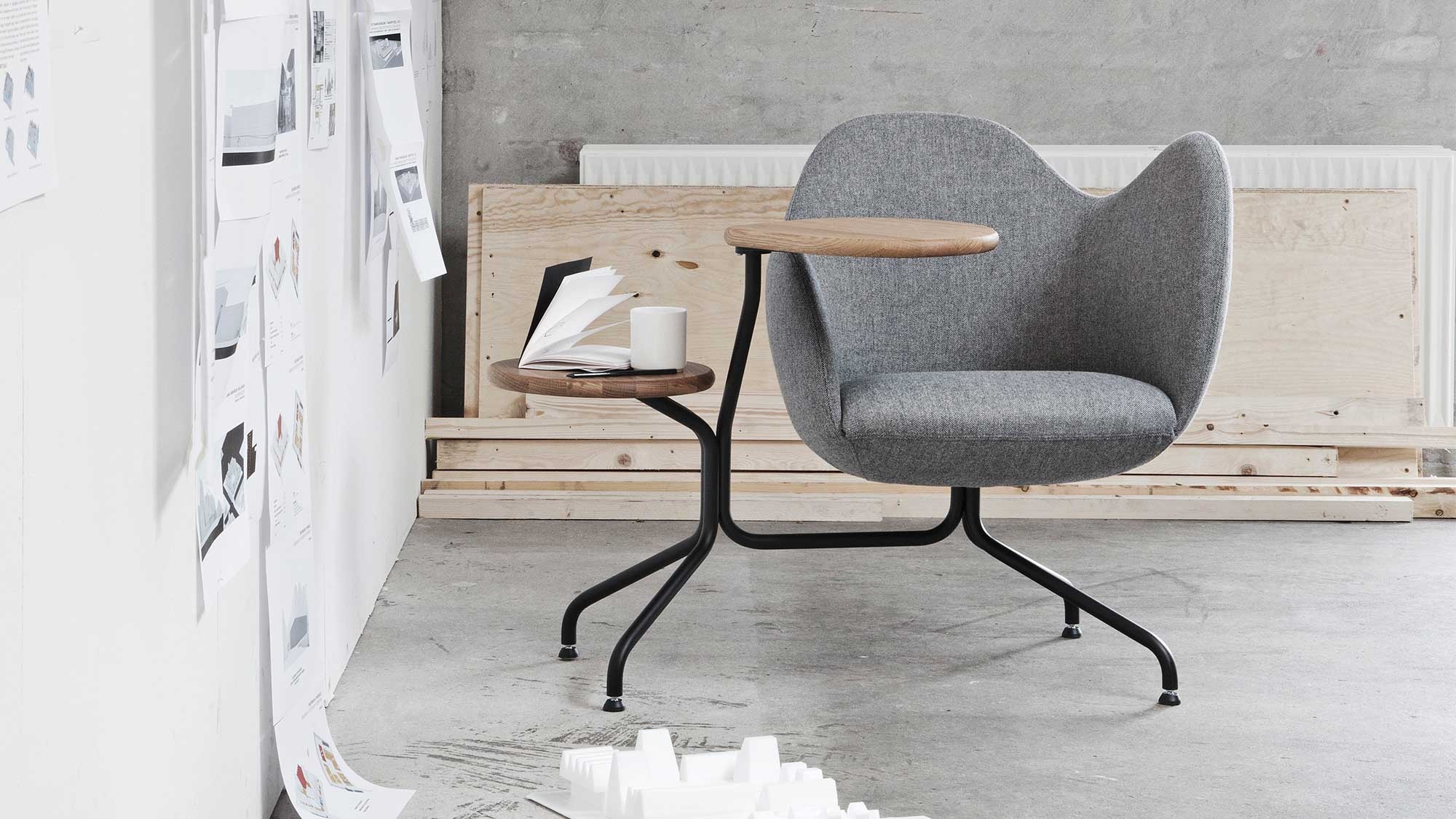
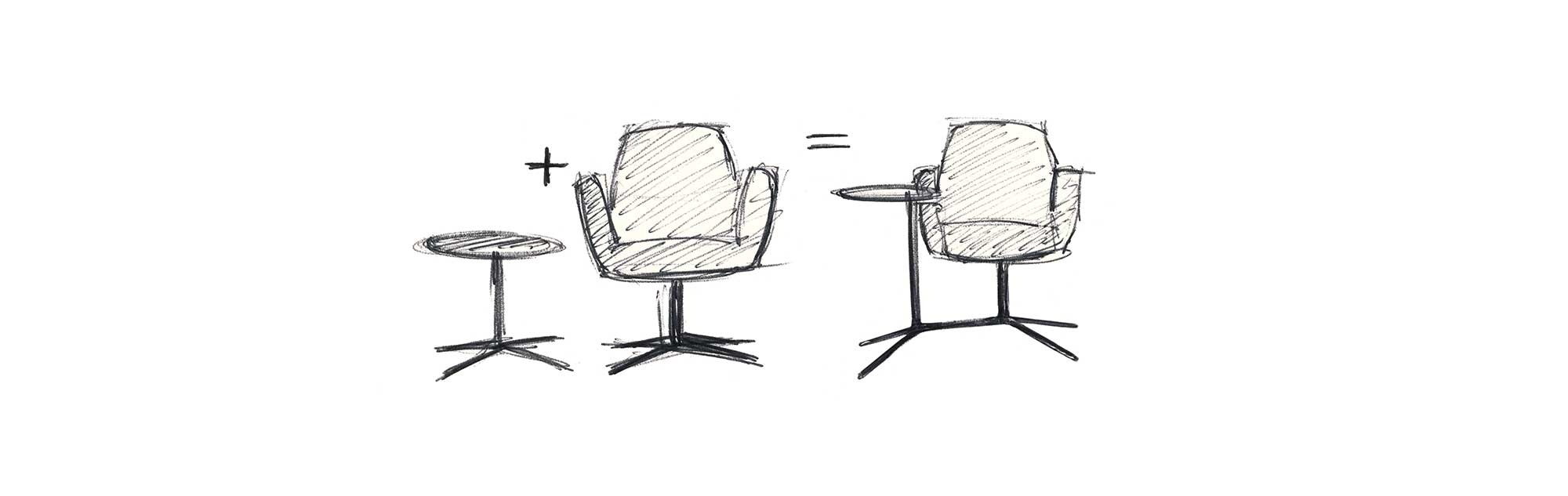
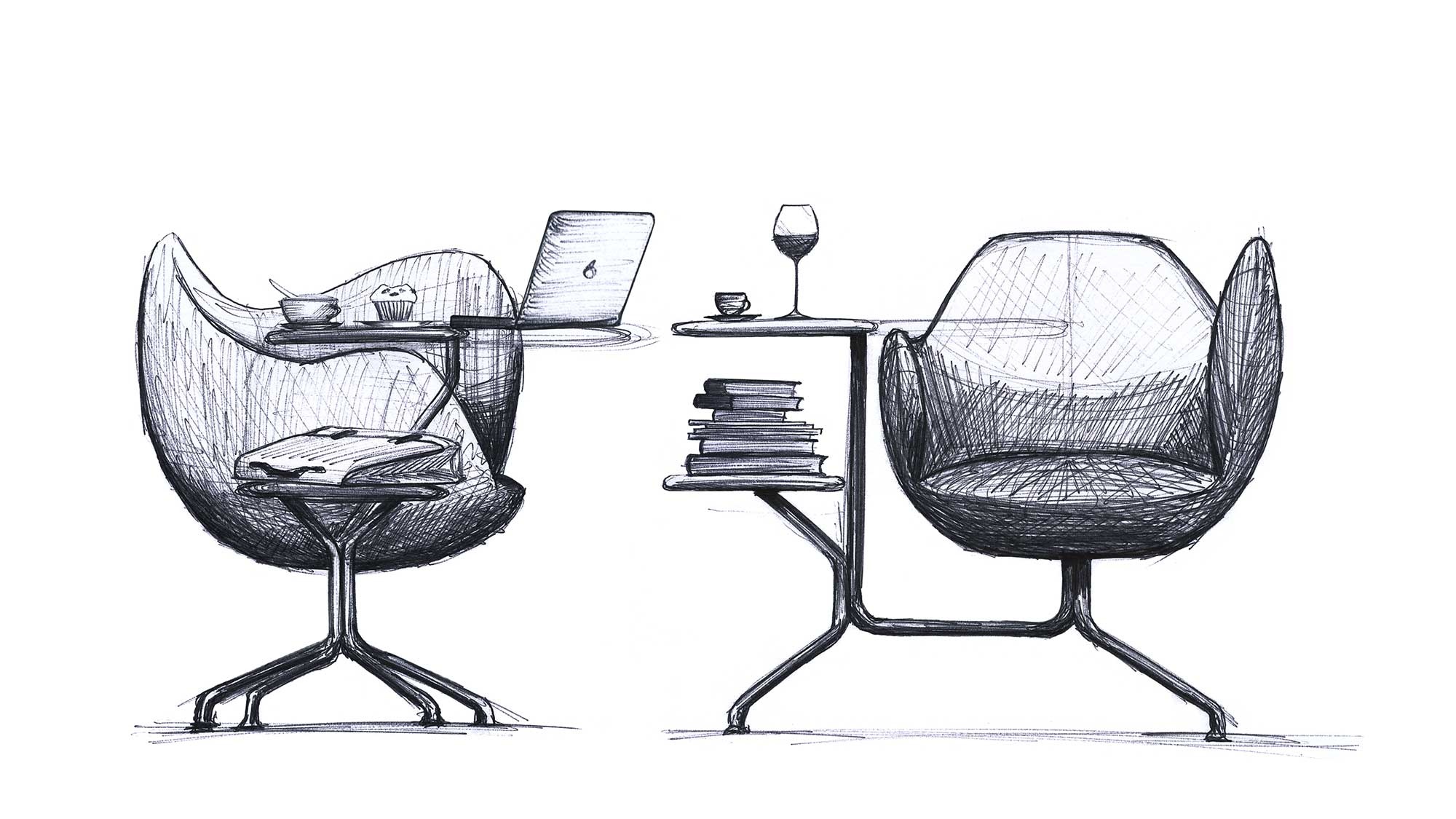
WILMER began with a simple question: could a chair and a table be combined into a single piece of furniture without compromising either function?
The starting point was a change in behaviour. Work and rest no longer take place in separate environments. Sitting, working, reading, eating and pausing often happen within the same moment, especially in public spaces where existing furniture tends to be either too large, unstable or poorly adapted.
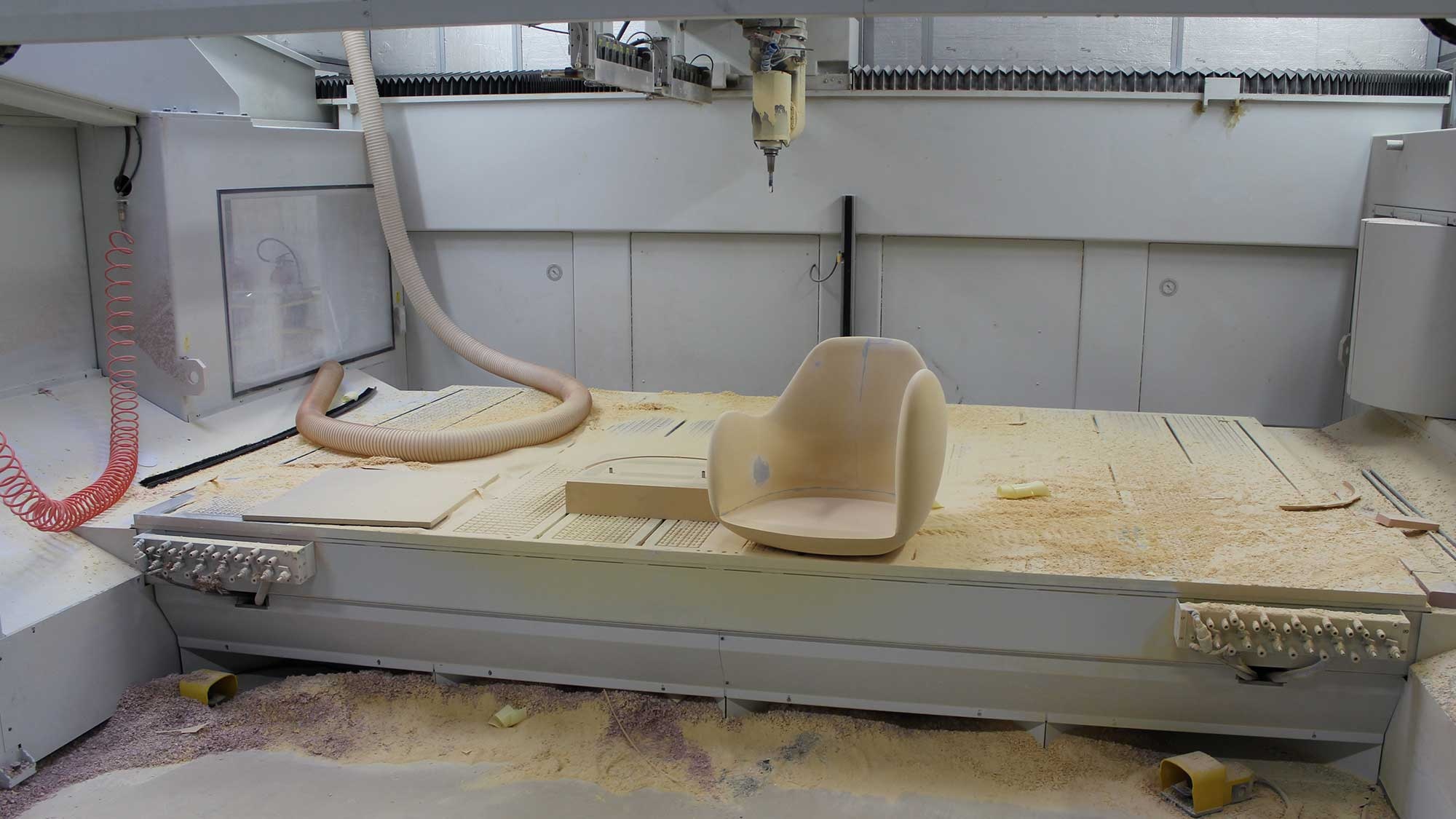
I developed the project through a series of physical models. Clay studies were used to explore the overall form, followed by full-scale models in foam and milled prototypes to test proportions, comfort and movement. The relationship between seat, armrests and table surfaces was adjusted continuously to find a balanced whole.


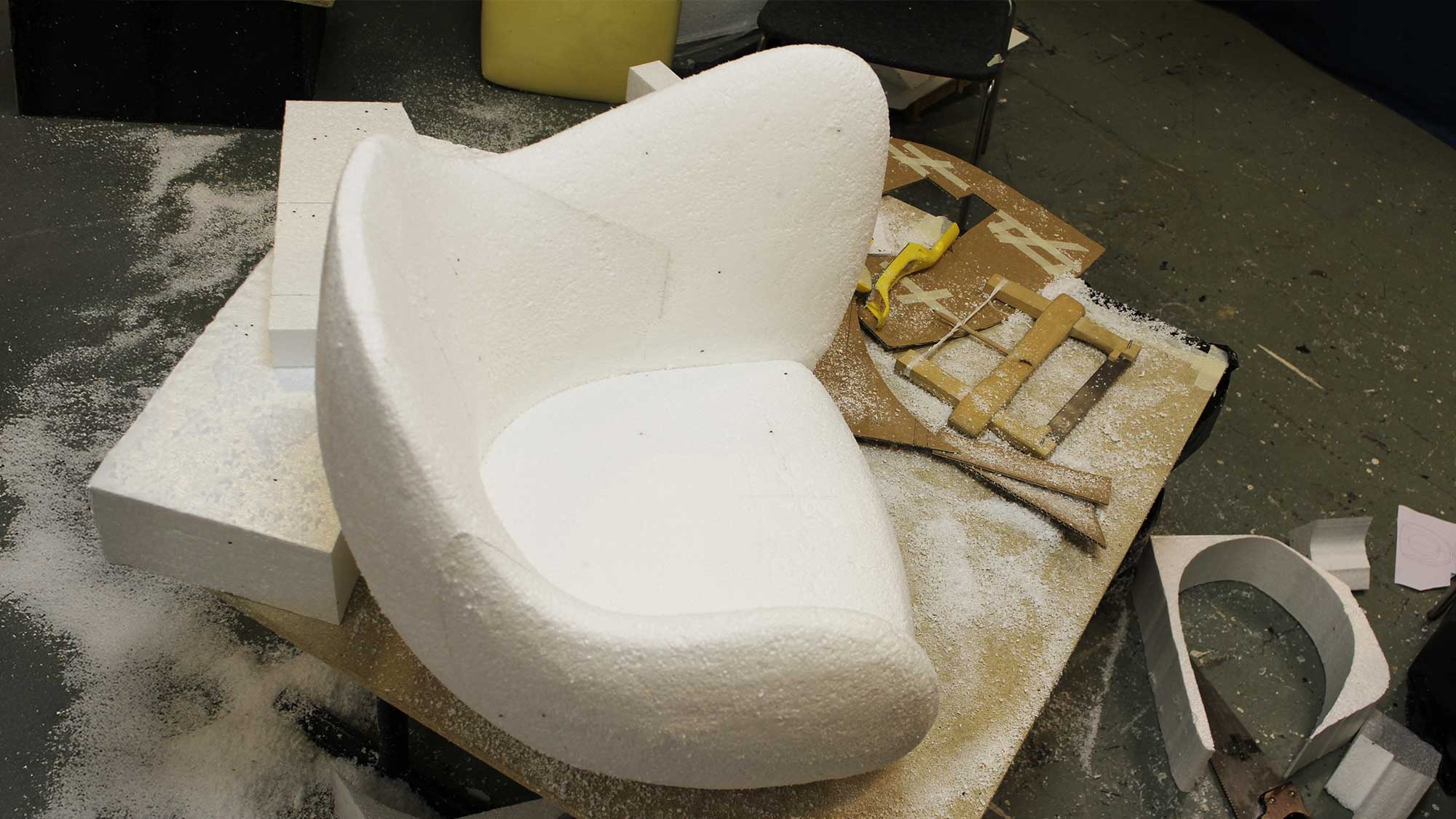


The final form is asymmetrical. One side is lower and more open, allowing the table to move freely and support active use. The other side is higher and more enclosed, offering support for rest.
Two table surfaces are integrated into the structure. A lower surface for placing objects, and a higher, rotating table that can be brought into position when needed. Together they allow work and pause to coexist without conflict.
Over time, I developed the concept into a series of variations: a version with a single table, different base options, and a chair without tables that can stand alone or be used at a dining table. The form was also developed into a more symmetrical version with lower armrests on both sides.
The name WILMER can be read as vill mer, Swedish for “wanting more” — a piece of furniture designed to do more within the same space.





Project start : 2011
Launch year: 2012
Design: Stefan Borselius
Manufacturer: Blå Station